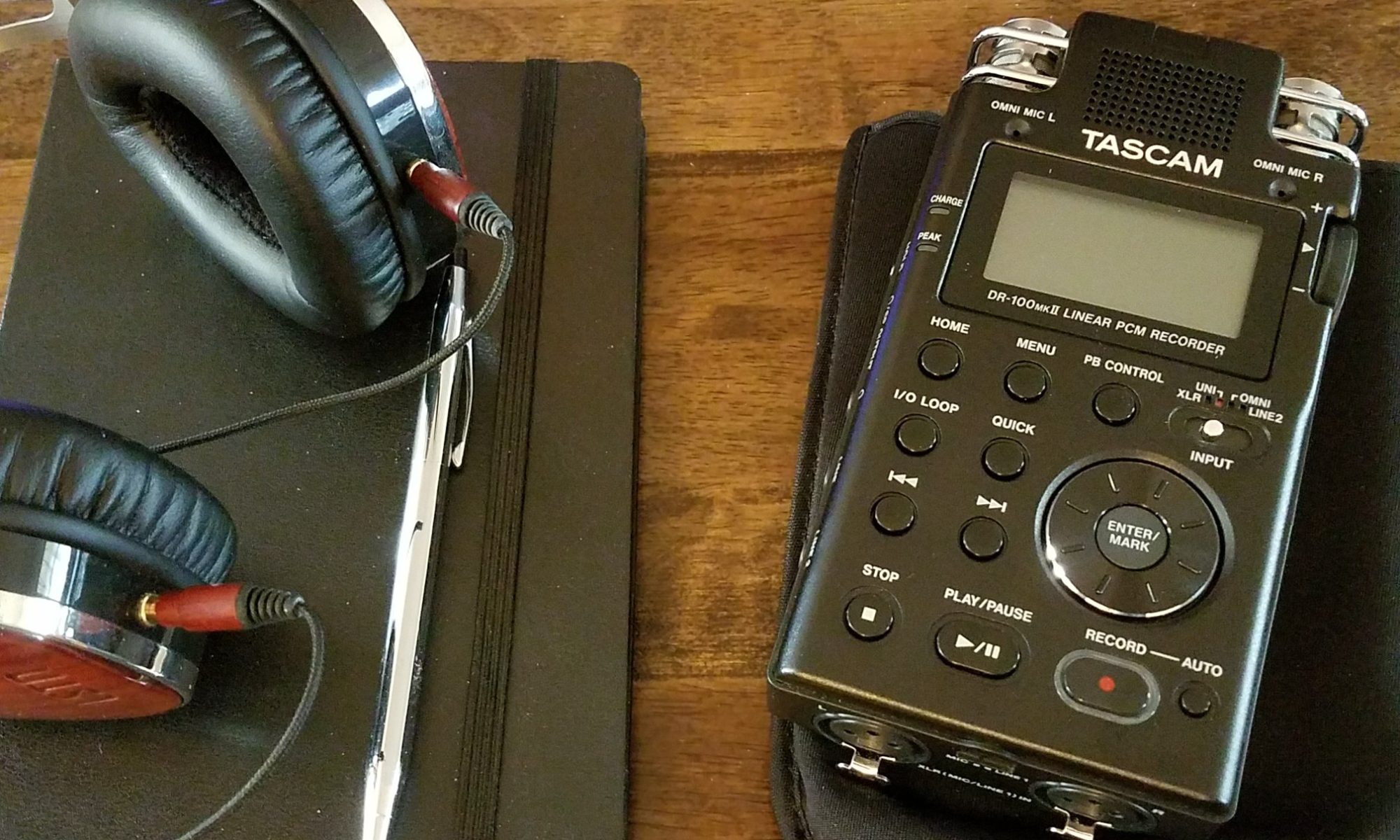
Jason Miller, the national policy director of the Sudan Divestment Taskforce, talked with Jerry Fowler of the Committee on Conscience about the process and impact of the taskforce’s aim of divesting from companies that do business in Sudan. You can either download the podcast or read a transcript of that interview at the CoC’s website.
Genocide trials go unnoticed
If you only watch the mainstream media, you might think that Saddam Hussein’s trial is not only unique because of the defendant, but also because of the charges. After all, how often do you hear of someone facing genocide and crimes against humanity charges?
Like much of the media in this country, however, the approach to journalism has less to do with informing and more to do with selling papers — Saddam is a sensational character that repeatedly defies judges in headline grabbing ways. It also gives a slight nod of accomplishment to our failed policies in Iraq (a dim happy note behind the cacophony of disgust).
Yet, throughout Saddam’s trial, there have been dozens of verdicts against genocide perpetrators and accomplishes that have gone completely unreported.
Aloys Simba (Oct 2, 2006)
Found guilty of genocide and crimes against humanity and sentenced to 25 years imprisonment.Paul Bisengimana (Oct 1, 2006)
Sentenced to 15 years of prison after having pleaded guilty.Momcilo Krajisnik (Sept 27, 2006)
Sentenced to 27 years imprisonment.Biljana Plavsic (Sept 27, 2006)
Biljana Plavsic was sentenced to 11 years imprisonment and is serving her sentence in Sweden.Tharcisse Muvunyi (Sept 12, 2006)
Muvunyi was sentenced to 25 years in prison for genocide.Radislav Krstic (June 22, 2006)
Sentenced to 35 years imprisonment.Mikaeli Muhimana (April 28, 2006)
Sentenced to life in prison.Elizaphan Ntakirutimana (April 27, 2006)
Sentenced to 10 years imprisonment for genocide. Ntakirutimana was a pastor with the Seventh Day Adventists and was arrested in Texas and extradited in 1996.
Keep in mind this is a mere snapshot from two of the busiest tribunals (Rwanda and Yugoslavia), neither of which are receiving even a tenth of the press coverage that Saddam’s trial is currently fueling.
Did Saddam commit acts (or an act) of genocide? Sure he did. We don’t even need to ask, cause he was our ally against Iran when he did it, and we gladly sold him arms throughout the entire campaign (not unlike France did in Rwanda). The point is, genocidal leaders have been on trial continuously throughout Saddam’s trial, without so much as a mumble from the press.
In fact, key architects in the Rwandan and Yugoslavian genocides (eighteen and six respectively) remain at large today. The press doesn’t cover that either.
Darfur conflict continues
As peace in Darfur continues to be an elusive dream and the United Nations postures but remains hesitant to send troops without the consent of the Sudanese government, a flurry of reports of new attacks streamed out of the region this weekend. According to the Guardian, these renewed hostilities have been ongoing since August, leaving several hundred people dead.
The motives for the attack are unclear. The report points out that thousands of African migrants from the Zaghawa and Massalit tribes moved into the area after drought struck north Darfur in the 1970s. They started cultivating land belonging to the Habbania. Although there was always minor tension, some witnesses said the Habbania chose this moment to attack as they feared the possible arrival of foreign peacekeepers would allow the newcomers to settle permanently.
Other evidence suggests that the attacks were in response to raids by rebels from the National Redemption Front, which rejects an internationally brokered peace deal signed in May. According to one Habbania leader, “we attacked after we reported the incidents many times to the government and after we were provoked and attacked”. He said the rebels killed the brother of Agid Ayadi, a militia leader with links to the Sudanese army.
But witnesses claimed that Agid Ayadi had organised a meeting to get recruits for the attacks on the African villages. Two people recognised high-ranking government officials in uniform at the meeting, where the militia leaders boasted of having government blessing for the raids. The local government commissioner told the UN’s investigators that the attacks were a response “to earlier attacks by the rebels”.
Jean Christophe, a protection officer for the UN mission in Sudan, gave a third possible reason for the attacks – “the location of the emptied villages matches the map of oil concessions in south Darfur, so oil may have something to do with it.”
Even now, as reports from the UNHCR claim that they’re preparing to move several refugee camps further into Chad (away from the fighting), one has to wonder if they learned any lessons from Rwanda. With reports of Chadian military involvement in other border skirmishes, it’s hard not to draw parallels between the camps in Chad and those that existed in Zaire.
Mass grave unearthed
In a case that could easily appear on Prime Time television, residents of Menden, Germany have unearthed a mass grave that’s believed to be from the Holocaust. The grave, containing 51 bodies, appeared to be made up of mentally or physically handicapped victims.
Twenty-two of the skeletons appeared to be of children ranging from newborns to 7-year-olds. Some showed signs of physical or mental disabilities, such as those associated with Down syndrome, he said.
Maass, a prosecutor at the Dortmund-based Central Office for Investigation of Nazi-era Crimes, said he had begun a criminal investigation for at least 22 counts of murder. He declined to say who tipped off authorities about the grave.
An unnamed witness is said to have alerted prosecutors to the gravesite’s location, but nothing further has been released on the circumstances of this information. Despite the difficulties of successfully prosecuting a 60 year-old case from World War II, Maass stated that he was going forward with the investigation.
Myspace to aid refugees
Myspace, the social networking website, is putting together a series of concerts to raise money for humanitarian relief in genocide plagued Darfur. The bands involved have all agreed to donate a portion of their ticket sales to Oxfam, who are attempting to help refugees (some 2.5 million) in neighboring Chad.